122 South County Farm Road, Suite A-West, Wheaton, IL 60187

630-358-9029


Recent Blog Posts
How Does Child Support Work for Children from Multiple Partners?

In Illinois, it's possible to pay or receive child support for children from more than one relationship. Child support is one of the most important financial obligations a parent can have in the eyes of the law. Children from all a person's relationships are entitled to it. How much you pay or receive depends on both parents’ incomes, the parenting schedule, the number of children involved, and other support obligations.
A Winfield, IL child support lawyer can explain how paying support under two separate orders affects what you owe in 2026.
Does an Existing Child Support Order Reduce What You Owe for a Different Relationship in Illinois?
If you have children with two different people, each case can receive its own support order. Each order is calculated on its own using the state's income shares model. The law does account for parents who already have other support obligations, though.
Do We Need a Separate Parenting Plan During the School Year?

Illinois custody cases require that parents have a plan outlining things like the parenting time schedule. However, parents do not need to draft an entirely new or separate parenting plan for different times of year, such as the school year and summer. The same plan can include different schedules for each part of the year.
If you need help drafting a parenting plan that covers school and summer schedules, a Warrenville, IL family law attorney can help.
What Should We Account for in Our Parenting Plan for the Illinois School Year?
Scheduling is the main consideration in a parenting plan for the school year. This includes both parents’ schedules and the child’s schedule. Talk to your co-parent about work hours, school activities, and other commitments. Determine what parenting time schedule makes the most sense for your family.
Is an Inheritance Counted as Income in a Child Support Case?
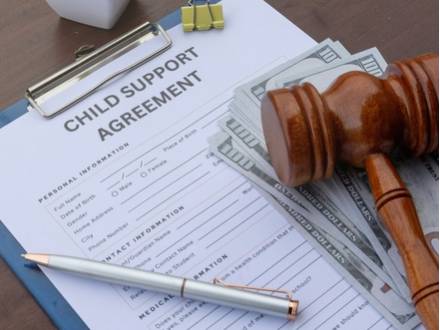 Whether an inheritance will be counted as income when calculating child support in Illinois depends on several factors. A court may consider the type of inheritance, whether it produces income, and whether the parent receives payments from it.
A Wheaton, IL family law attorney can help you understand what will be considered income in your specific child support case in 2026.
How Does Illinois Define Income for Child Support?
Illinois calculates child support using the income shares model. This method involves taking into account the net income of both parents.
Gross income generally includes income from all sources (750 ILCS 5/505). This may include wages, bonuses, rental income, investment earnings, and certain benefits. Courts may also count gifts and regular payments from family members. However, the law excludes some benefits, including certain forms of public assistance. Tax returns and other financial records can help the court find each parent’s income.
Should I Be Prepared to Testify in My Illinois Divorce?
 Most divorce cases require at least a brief testimony before a judge before the final settlement. How much testimony you actually end up giving in your divorce case depends on whether your divorce is contested or not. Contested divorces are litigated, which means they require a trial.
If you're getting divorced in 2026, a DuPage County, IL divorce attorney can help you prepare for whatever your case will require of you.
Do I Always Have to Testify in an Illinois Divorce?
Most contested divorces involve testimony from one or both spouses at some point in the process, especially if the case proceeds to trial. In an uncontested divorce, however, the court typically holds a prove-up hearing. During that hearing, the judge confirms that the requirements for a divorce have been met under the Illinois Marriage and Dissolution of Marriage Act, including the existence of irreconcilable differences. The judge also reviews any settlement agreement to ensure it was entered into voluntarily and is not unconscionable.
Do Same-Sex Couples Have the Same Protections as Straight Couples Under Illinois Law?
 Illinois is one of the friendliest states to queer couples in the U.S. Same-sex couples in Illinois have the same legal rights as opposite-sex couples across the board: in marriage, divorce, and parenting. But knowing that you have protected rights under the law isn’t the same as knowing exactly what those rights are, and some situations can be more complicated for same-sex couples than for heterosexual ones. A Naperville, IL family law lawyer can help you navigate those complexities with confidence in 2026.
Are Same-Sex Marriages Recognized by Illinois Courts?
Same-sex marriage has been fully legal in Illinois for over a decade under the Illinois Religious Freedom and Marriage Fairness Act. This stance was later cemented at the federal level by the U.S. Supreme Court's decision in Obergefell v. Hodges, legalizing same-sex marriage in all states. Same-sex marriage is further protected by the federal Respect for Marriage Act.
Who Has To Move Out During a Divorce in Illinois?
 Many couples don’t want to be stuck under the same roof while going through the divorce process. This is understandable and even healthy. But if both of your names are on the contract for wherever you live, be that a house or apartment, how do you decide who stays and goes? Is one of you legally entitled to stay?
In most cases, no, there aren’t laws that state who stays or goes. Still, a decision must be made. If you’re planning to get divorced in 2026 and have questions, a Winfield divorce lawyer can help.
Does One Spouse Have To Move Out During a Divorce in Illinois?
Illinois does not automatically require either spouse to vacate the marital home just because a divorce has been filed. Both spouses generally have an equal right to stay in the home, especially if both are on the lease.
For this reason, couples who want to live separately generally find some arrangement that makes sense to them. This could be the person who pays more on the rent or mortgage, and gets to stay. It could be that whoever is the primary caretaker of the children gets to stay to avoid disrupting their lives more. There’s no one way for the decision to be made.
What Is Parental Kidnapping?
 Shockingly, parents sharing custody sometimes steal or hide children from each other. This actually happens often enough that it has its own legal terminology. Depending on the situation, it can be referred to as "custodial interference," "child abduction," or "concealment."
How can you tell the difference between parental kidnapping and a co-parent who’s just late to a custody exchange? When do you take action because your child’s other parent is not responding to your messages? If you suspect child abduction, do you call the police or petition the court? If you’re worried that your child has been abducted by their other parent in 2026, you need to act quickly. A Warrenville child custody lawyer can help you ensure your child’s safety.
How Does Illinois Law Define Parental Abduction?
Parental kidnapping (abduction) is when one parent takes or hides a child from the other parent against custody orders and without permission from the other parent. A parent who is running late or made an honest mistake in scheduling isn’t committing a crime. Abduction after a custody case involves a parent violating their court order by concealing a child or refusing to return them per 720 ILCS 5/10-5.
Do Illinois Courts Still Award Spousal Support?
 A person going through an Illinois divorce may wonder if they’ll be entitled to financial help from their spouse after the dust settles. The answer is yes, Illinois courts can and do award spousal support (also called maintenance or alimony).
If you are considering divorce in 2026 and have questions about your future financial resources, a Wheaton divorce attorney can help you understand your rights and options. Every divorce case is different, and what happens in your case will depend on your unique circumstances.
What Is Spousal Support?
Spousal support is money that one spouse pays to the other spouse after a divorce. The purpose of this money is to help the lower-earning spouse keep a reasonable standard of living while they work towards financial independence.
Do I Have to Pay Illinois Child Support for a Child I Just Found Out Is Mine?
 Finding out you are the father of a child you did not know about can turn your life upside down. You may feel shocked. You may feel ecstatic. You may even feel angry. You probably have many questions about what comes next, including whether you now have to pay child support. If you are in this situation in 2026, our DuPage County child support attorney can help you understand your rights and responsibilities.
What Does Illinois Law Say About Child Support for Newly Discovered Children?
Under Illinois law, a parent is required to give financial support to their child, but only if "paternity" has been established. Paternity means that the court acknowledges that you are the father of the child. Illinois Healthcare and Family Services explains that if needed, the alleged father of the child will be given a DNA test to establish paternity. If the court has determined that you are the father, you must pay child support, even if you did not know about the child.
How Do They Decide What a Business Is Worth During a Divorce in Illinois?
 Illinois divorce courts determine a business's value by reviewing financial records, examining how the business operates, and applying accepted valuation methods. The goal is to understand the true economic value of the company so the court can divide property fairly.
As of December 2025, Illinois continues to follow an equitable distribution model that requires accurate business valuations. If your divorce involves a business, a West Chicago, IL divorce attorney can help you understand how the court reviews these records and what to expect as the case moves forward.
What Is Considered Marital vs. Non-Marital Business Property in Illinois?
Before the court decides how much a business is worth, it must determine whether the business is marital property, non-marital property, or a mix of both. Under the Illinois Marriage and Dissolution of Marriage Act, specifically 750 ILCS 5/503, marital property includes assets gained during the marriage. This means a business that was started during the marriage is usually considered marital.
122 South County Farm Road, Suite A-West, Wheaton, IL 60187
630-358-9029










From our office in Wheaton, Illinois, we serve clients throughout the Chicago area including but not limited to Winfield, Warrenville, West Chicago, Glen Ellyn, Naperville, Lisle, Downers Grove, Lombard, Oak Brook, DuPage County, Kane County, Will County, and Cook County.


Contact Our Firm
 The use of the Internet or this form for communication with the firm or any individual member of the firm does not establish an attorney-client relationship. Confidential or time-sensitive information should not be sent through this form.
I have read and understand the Disclaimer and Privacy Policy.