122 South County Farm Road, Suite A-West, Wheaton, IL 60187

630-358-9029


Should I Be Prepared to Testify in My Illinois Divorce?
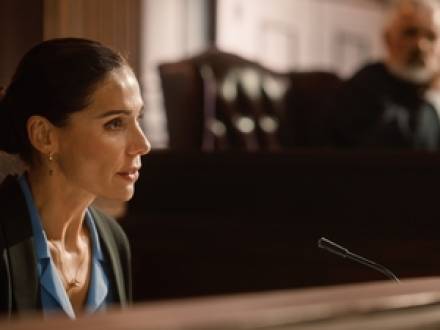 Most divorce cases require at least a brief testimony before a judge before the final settlement. How much testimony you actually end up giving in your divorce case depends on whether your divorce is contested or not. Contested divorces are litigated, which means they require a trial.
If you're getting divorced in 2026, a DuPage County, IL divorce attorney can help you prepare for whatever your case will require of you.
Do I Always Have to Testify in an Illinois Divorce?
Most contested divorces involve testimony from one or both spouses at some point in the process, especially if the case proceeds to trial. In an uncontested divorce, however, the court typically holds a prove-up hearing. During that hearing, the judge confirms that the requirements for a divorce have been met under the Illinois Marriage and Dissolution of Marriage Act, including the existence of irreconcilable differences. The judge also reviews any settlement agreement to ensure it was entered into voluntarily and is not unconscionable.
In an uncontested case, the testimony is usually brief and predictable. The judge asks a series of questions to confirm the basic facts of the case and that the parties understand and agree to the settlement terms. If the judge approves the agreement and finds that all legal requirements have been satisfied, the court will enter a Judgment for Dissolution of Marriage, finalizing the divorce.
Questions During a Prove-Up Hearing
A prove-up hearing covers a set of standard questions designed to confirm the facts of your case and the fairness of your agreement.
In a typical uncontested prove-up, expect questions to address the following:
- Your name, address, and basic background details
- Confirmation that the marriage has suffered an irretrievable breakdown
- Whether you entered the settlement agreement freely and voluntarily
- Whether you believe the agreement is fair
If you have children, the judge will also confirm that custody, parenting time, and support arrangements are in the children's best interests. Most prove-up hearings take just a few minutes once your paperwork is in order.
Will I Have to Testify in a Contested Divorce in Illinois?
Testimony in a contested divorce is far more involved than a prove-up, because the judge has to decide the issues you and your spouse can't resolve. Your testimony becomes evidence that the court weighs.
Direct Examination
Your own attorney will ask you questions first, giving you the chance to explain your position on issues like property, finances, or parenting. Clear, honest answers matter more than polished ones.
Cross-Examination
The other spouse's attorney can then question you. The goal is often to test your credibility or highlight weaknesses, so staying calm and sticking to the facts is key.
Testimony on Complex Issues
Some divorces involve added layers, such as business valuations, hidden or high-value assets, or disputes over a child's living arrangements. These cases can require detailed financial testimony and sometimes outside professionals.
A few things that will help you in every stage of the testimony process include listening to the full question before answering and answering only what's asked. Don’t volunteer extra information to try to increase your credibility. Be honest if you don't know or don't remember something.
How Can I Prepare to Testify Confidently in My Illinois Divorce?
A little preparation will help you feel calm and avoid making small errors when you are called to testify.
Review your financial documents, your proposed divorce settlement, and any parenting plan. Repeat this several times as you approach your hearing dates to solidify the information in your memory. Practice answering likely questions with your attorney and make notes of the feedback they give you on your responses.
Above all, tell the truth. Testimony is given under oath, and honesty protects both your credibility and your case.
Call Our Winfield, IL Divorce Attorney Today
With some preparation and a good attorney, you have no need to worry about being called to testify in front of a judge for your divorce.
We will work from the beginning of your case to the final divorce decree to make sure you are well-prepared for whatever your divorce brings. Our DuPage County, IL divorce lawyer draws on unique experience in complex, high-asset divorces and business valuation from her years with a high-profile Oak Brook law firm. Attorney Sendek also has experience with cases involving international child removal.
Call Hensley Sendek Law at 630-358-9029 today for a free consultation on your case.
122 South County Farm Road, Suite A-West, Wheaton, IL 60187
630-358-9029










From our office in Wheaton, Illinois, we serve clients throughout the Chicago area including but not limited to Winfield, Warrenville, West Chicago, Glen Ellyn, Naperville, Lisle, Downers Grove, Lombard, Oak Brook, DuPage County, Kane County, Will County, and Cook County.


Contact Our Firm
 The use of the Internet or this form for communication with the firm or any individual member of the firm does not establish an attorney-client relationship. Confidential or time-sensitive information should not be sent through this form.
I have read and understand the Disclaimer and Privacy Policy.